In Action
It will be demonstrated by our willingness to acknowledge and lament where our complacency and silence has contributed to systemic racism in our country and the church. We will discover ways to listen, learn, and give to people of color in our local and greater communities as we go on the journey of racial reconciliation. We will identify and provide tangible ways to advocate for and serve the oppressed in the Bay Area.
At Eastown, we are committed to live this out.
Micah 6:8
Do justice. Love kindness. Walk humbly with your God.
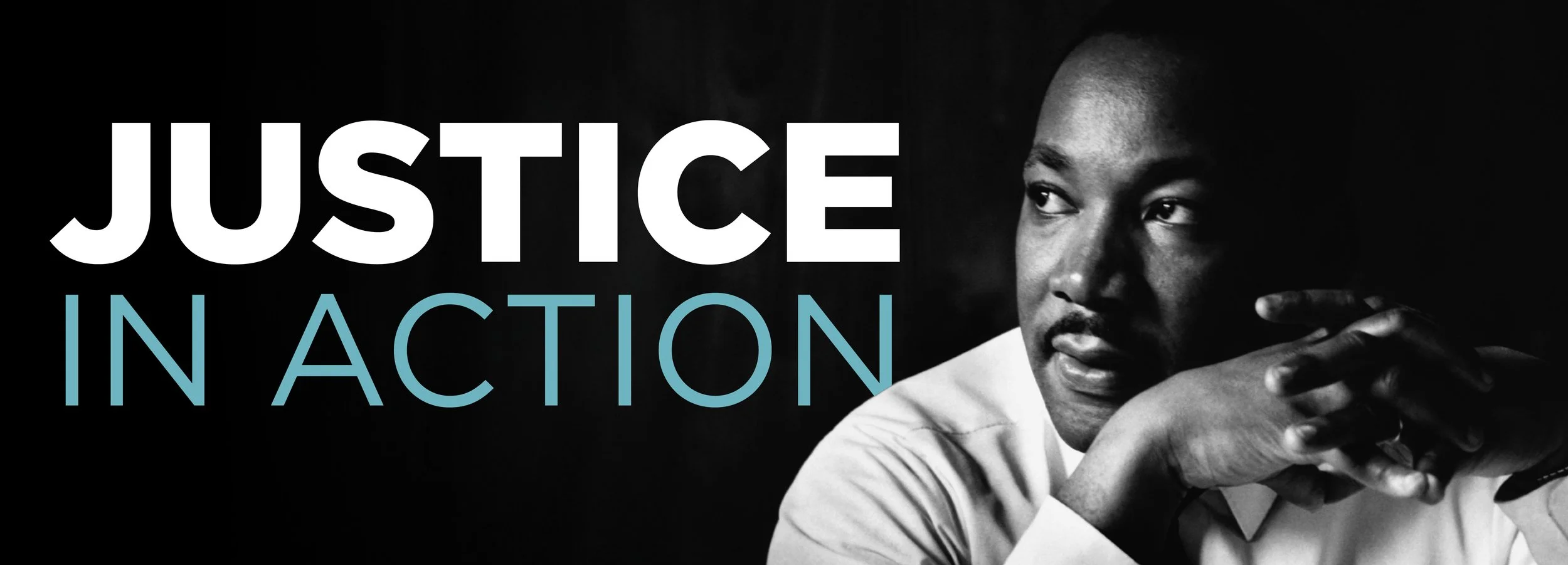
Dr. Martin Luther King Jr. personified Micah 6:8 by holding together justice, kindness, and humility in both his public leadership and private faith. He did justice by confronting unjust laws and systems through nonviolent resistance, insisting that equality was not optional but required by God. He loved kindness by refusing to dehumanize his opponents, calling even his enemies to repentance rather than revenge. And he walked humbly with God by grounding the movement in prayer, Scripture, and a dependence on God’s guidance—often acknowledging that the work was bigger than himself. In King’s life, Micah 6:8 moved from words on a page to a way of living.
Reflective Questions:
Where do you feel resistance to one of these—justice, kindness, or humility—and what might that resistance be revealing?
How has your experience with power, privilege, or pain shaped the way you see justice?
Isaiah 1:16–17
Stop doing harm. Learn to do good. Seek justice.
Dr. Martin Luther King Jr. embodied Isaiah 1:16–17 by calling the nation to more than religious language or good intentions—he called for repentance that showed up in action. He urged America to “cease to do evil” by naming the sin of racism and segregation, and to “learn to do good” by reshaping laws, communities, and hearts toward equality. King consistently sought justice by standing with the oppressed, defended the vulnerable by amplifying voices that were ignored, and pleaded for those without power through peaceful protest and moral persuasion. Like the prophet Isaiah, King reminded the world that true faith is proven not by words alone, but by lives aligned with justice and compassion.
Reflective Questions:
Jesus often called people to repentance—not to shame them, but to free them. What kind of change might bring freedom in your life?
Who are the people you’re most likely to overlook or avoid—and why?
Matthew 25:35–40
Love them. You love me.
Dr. Martin Luther King Jr. lived out Matthew 25:35–40 by insisting that love for Christ must be expressed through love for the “least of these.” He challenged the church and the nation to see the hungry, the poor, the imprisoned, and the marginalized not as problems to avoid but as neighbors to embrace. Through his advocacy for the poor, his concern for economic justice, and his solidarity with those pushed to the edges of society, King reminded people that serving the vulnerable is not optional—it is service to Christ Himself. In King’s witness, compassion became a holy act, and justice became a form of worship.
Reflective Questions:
What keeps you from drawing closer to people
who are hurting—fear, inconvenience, not knowing what to do?
Jesus says we meet him in ordinary acts of care. Where might you be missing Jesus because you’re looking for him somewhere else?
Justice in Action and Kingdom Principles
Resources
There is much we have yet to learn and this is only a start. For those of us in particular who are new to the lifelong journey, we want to collectively slow down, humble ourselves before the Lord, listen, and learn. Learn from these resources as you discover more about the Black and Brown experience in America. Listen to voices of color as they share the ways in which we can all contribute to rebuilding.
Black History Resources
We invite you to explore our collection of resources, including websites, books, devotionals, podcasts, and children’s literature,
Books
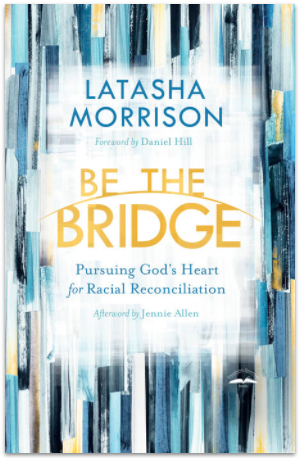
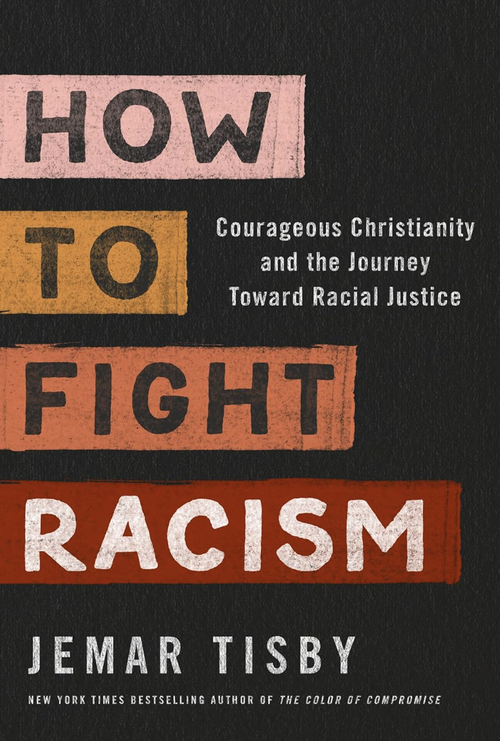
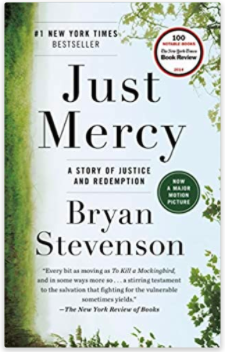
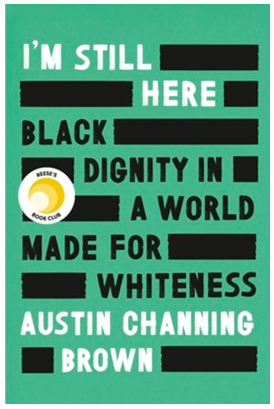
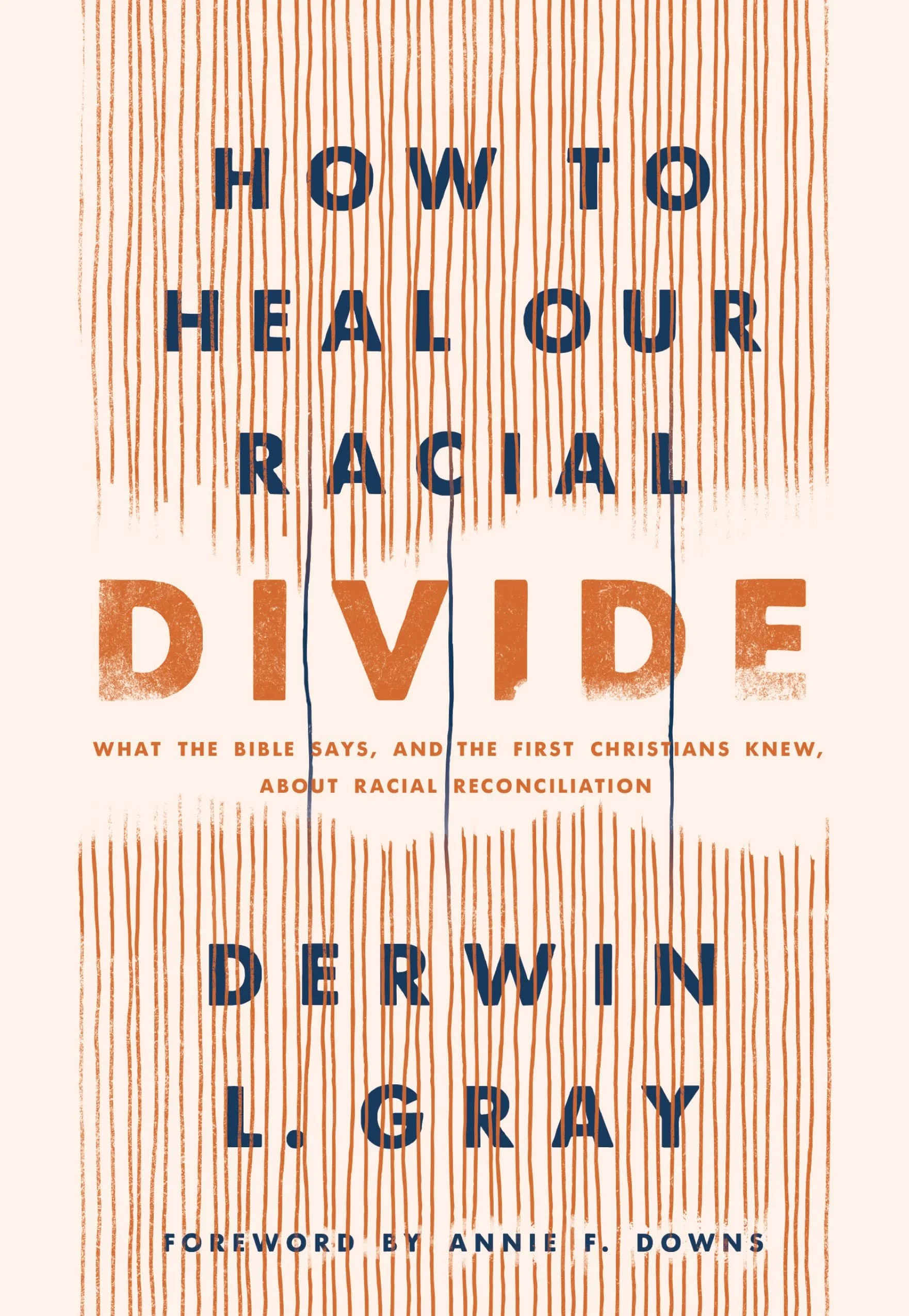
How We Love Mattersa by Albert Tate Just Mercy: A Story of Justice and Redemption by Bryan Stevenson How to Fight Racism by Jemar Tisby I’m Still Here: Black Dignity in a World Made for Whiteness by Austin Channing Brown Be the Bridge: Pursuing God’s Heart for Racial Reconciliation by Latasha Morrison Color of Compromise by Jemar Tisby How to Heal Our Racial Divide by Derwin L. Grey








Jesus Centered News for the Whole Family
The Pour Over delivers politically neutral, Jesus-first news—without the outrage, spin, or anxiety of today’s headlines.
With more than 1.5 million readers, it shares the most important stories clearly and calmly, helping you stay informed and grounded. For families, The Pour Over: Decaf offers a kid-friendly option that supports parents with thoughtful, age-appropriate conversations to have at home.
Check out their app or webpage and subscribe to daily notifications for a calmer way to stay informed—together.